Every year someone asks: why is the Puja at the end of September one year and in the middle of October another? The answer lies in how the panjika counts time, and in a special extra month called adhik maas, also called Purushottam maas (পুরুষোত্তম মাস). This year's panjika includes one.
Two ways of counting a year
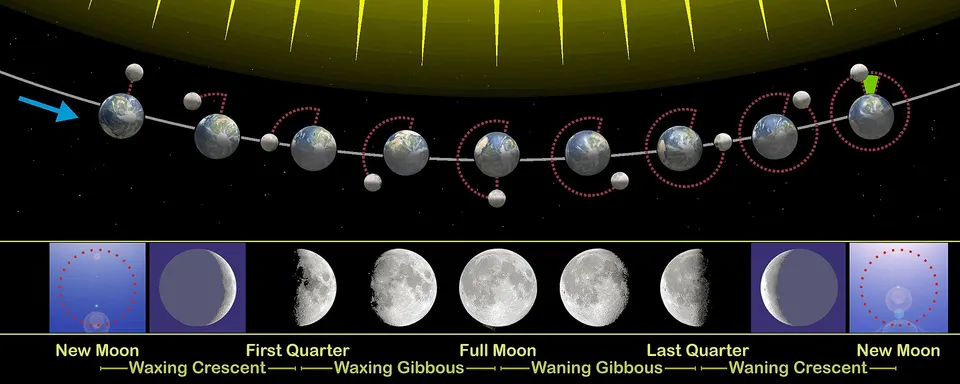
Our festivals follow the Moon. Durga Puja is fixed by the lunar calendar: it begins on the Shashthi of the bright half of Ashwin. But the seasons follow the Sun.
Twelve lunar months add up to about 354 days, roughly 11 days shorter than a solar year of about 365 days. If nothing corrected this, the Puja would slip about 11 days earlier every year and, over a few decades, drift out of autumn altogether, into the monsoon and then the summer.
The extra month
To stop that drift, the calendar adds an extra lunar month about once every three years. This is the adhik maas: adhik means "extra".
Which month becomes adhik is decided by the Sun. Normally the Sun moves into a new zodiac sign, a sankranti, during every lunar month. Occasionally a whole lunar month passes without any sankranti. That month is counted as the extra one, and it carries the name of the month that follows, with the word adhik before it.
Because it is an extra month, many families avoid holding auspicious ceremonies such as weddings during Purushottam maas.
What it means for the Puja
In a year with an adhik maas, the festivals after it fall later than they did the year before. That is why Durga Puja comes in the middle of October this year: Mahalaya is on 10 October, and Maha Shashthi on 16 October 2026.
Next year there is no extra month, so the usual drift returns. Our schedule for 2027 already shows Maha Shashthi on 5 October 2027, exactly eleven days earlier. The Puja will keep moving a little earlier each year until the next adhik maas brings it back.
The panjika decides
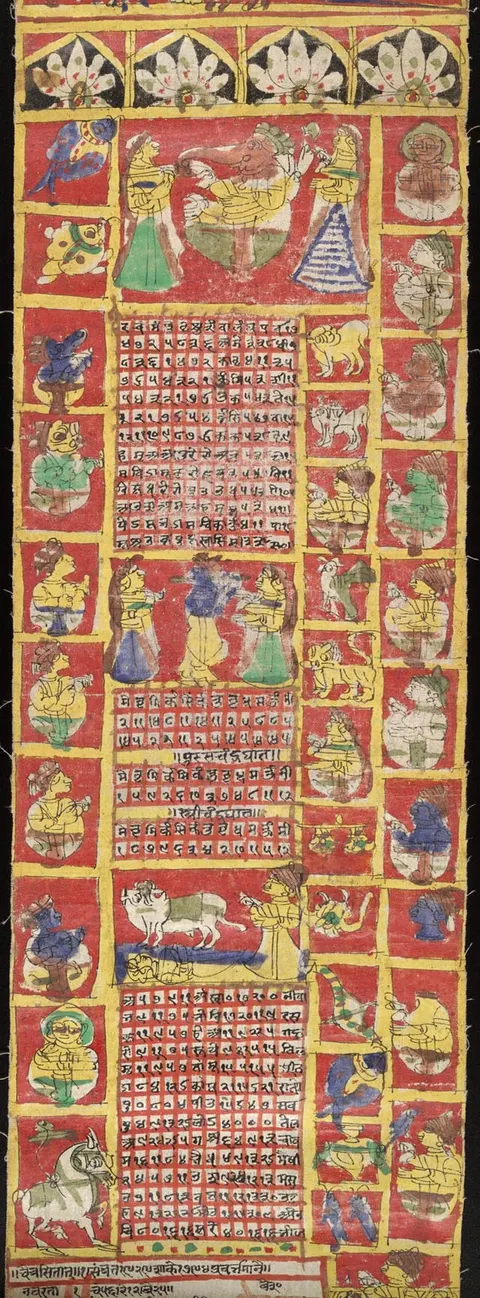
In a sabeki family Puja, these dates are not a matter of choice. The priest follows the panjika to the minute, as our Durga Puja 2026 nirghonto shows. The adhik maas is simply the panjika's way of making sure Ma always comes home in autumn, when the kash phool bloom.